How OddShed turns a sentence into a game
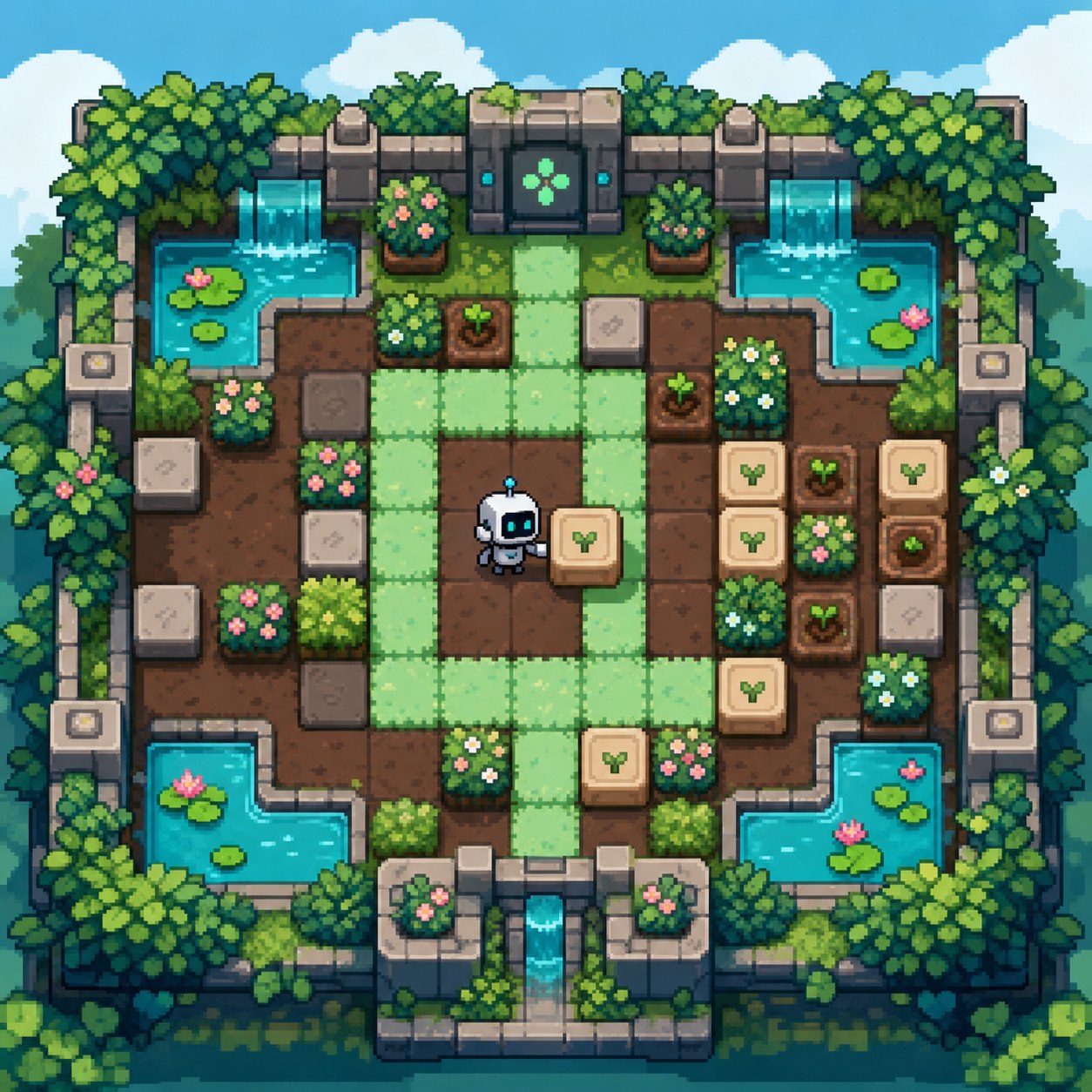
How it works
- 01
Settle the details
Describe the mechanic, the goal and the feel. The agent asks about anything you left open, one card at a time, then shows a plan you can approve, edit or skip.
- 02
Watch it build
The agent writes a complete browser project, in Phaser for 2D or Three.js for 3D, and draws the art the plan calls for. Every build is checked before it reaches you.
- 03
Play it, then change it
The game opens in a preview beside the chat. The result card shows whether the code passed its checks and whether the game was playtested in a browser. Ask for a change, play the new version, repeat.
What you can make
Questions shaped by your idea and a plan you approve before anything is built
2D games in Phaser, 3D games in Three.js
A full multi-file project behind every game
Art drawn to your brief, from sprites to backdrops
Code checks and a browser playtest, reported separately
Restore points before builds that change your game
The same agent team on every plan, free included: builder, artist, sound designer and QA playtester
Share by link or list it in the public library; export the source on paid plans
Focus on the game. The workflow handles the rest.
OddShed pairs the model with everything a game needs around it: the interview, the project files, code checks, a browser playtest, art tools and restore points. You spend your time playing the game and deciding what changes.
Common questions
Which AI models does OddShed use?
You do not pick a model. Every account gets the same agent team, and OddShed sends each turn to the open model best suited to it. The models that plan and write your game run on zero data retention endpoints with data collection denied, and those providers see only an anonymous id for you, never your name or email.
Who owns the game?
You do. The Terms give you ownership of your prompts, projects and games. On a paid plan, export the source as a ZIP or to your GitHub and keep building anywhere.
How are credits calculated?
Each turn is charged for the work it did, once it finishes. Open the message to see exactly what it cost.
What kinds of games can it build?
Platformers, arcade games, runners, shooters, puzzles, top-down adventures and compact 3D worlds, all playable in a browser. It does not build Unity, Godot or Unreal projects.